Banaras Biennale: A New Cultural Destination for Art, Heritage and Creativity
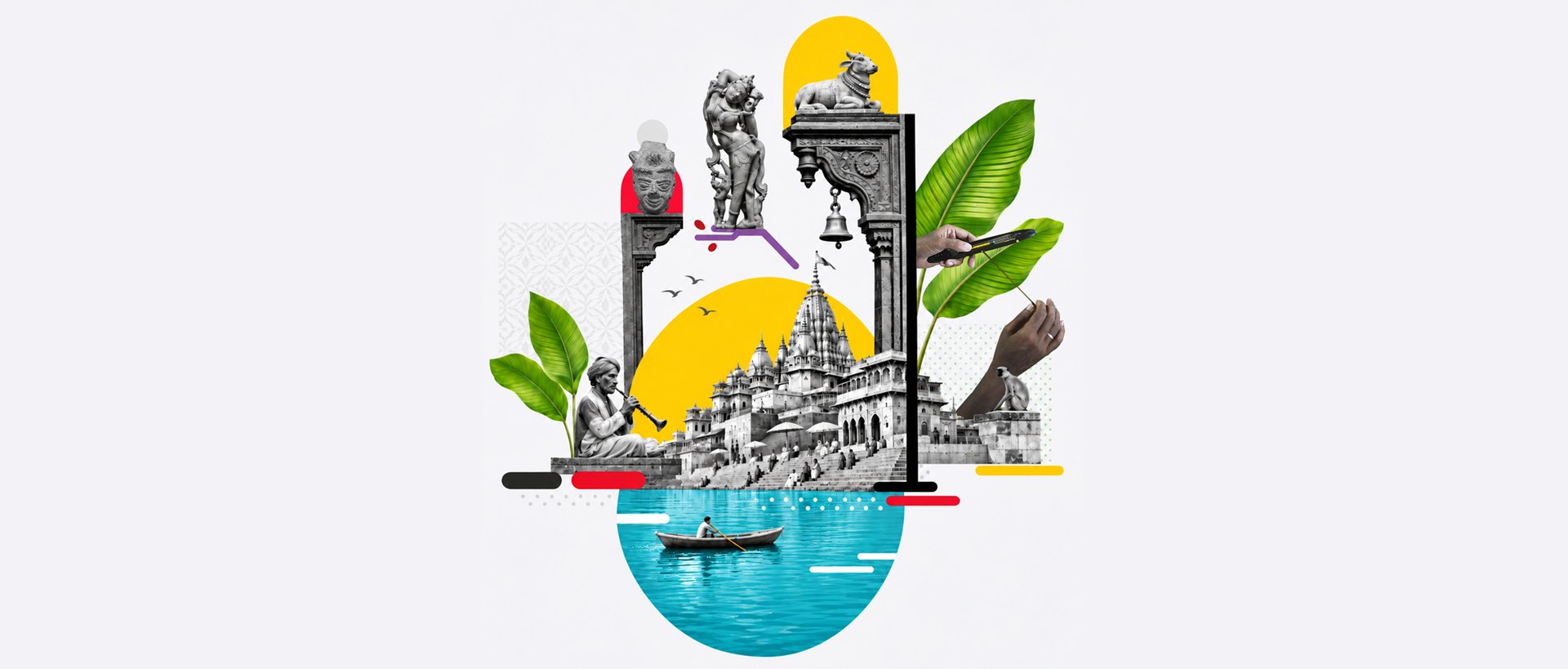
There are cities that reveal themselves through their monuments, and there are cities that must be experienced through their rhythms, rituals, sounds and everyday encounters. Banaras belongs to the latter. Its identity is not contained within a single historical narrative or architectural landmark. It unfolds across the ghats, temples, neighbourhoods, workshops, music traditions and the lives of the people who continue to shape its cultural character.
Known as Kashi and Varanasi, Banaras occupies a distinctive place in India's cultural imagination. It is a centre of spiritual thought, classical music, literature, textiles, craftsmanship and philosophical inquiry. Its history is layered, its artistic traditions enduring and its relationship with the present constantly evolving.
It is within this extraordinary cultural landscape that the CII Banaras Biennale 2026 takes shape. Conceived as a multidisciplinary celebration of art, heritage and creativity, the Biennale invites audiences to encounter Banaras through a wider cultural lens — one that moves beyond the familiar and explores the many ways in which the city continues to inspire artistic expression.
Under the theme KASHI/LIGHT – The City as Sensorium, the Biennale approaches the city as a place to be experienced through its many sensory and cultural dimensions. Light becomes both a physical presence and a way of understanding the city: its histories, its creative traditions and the ideas that continue to emerge from it.
Banaras: A city of many continuities
The cultural identity of Banaras has developed through centuries of artistic, intellectual and spiritual exchange.
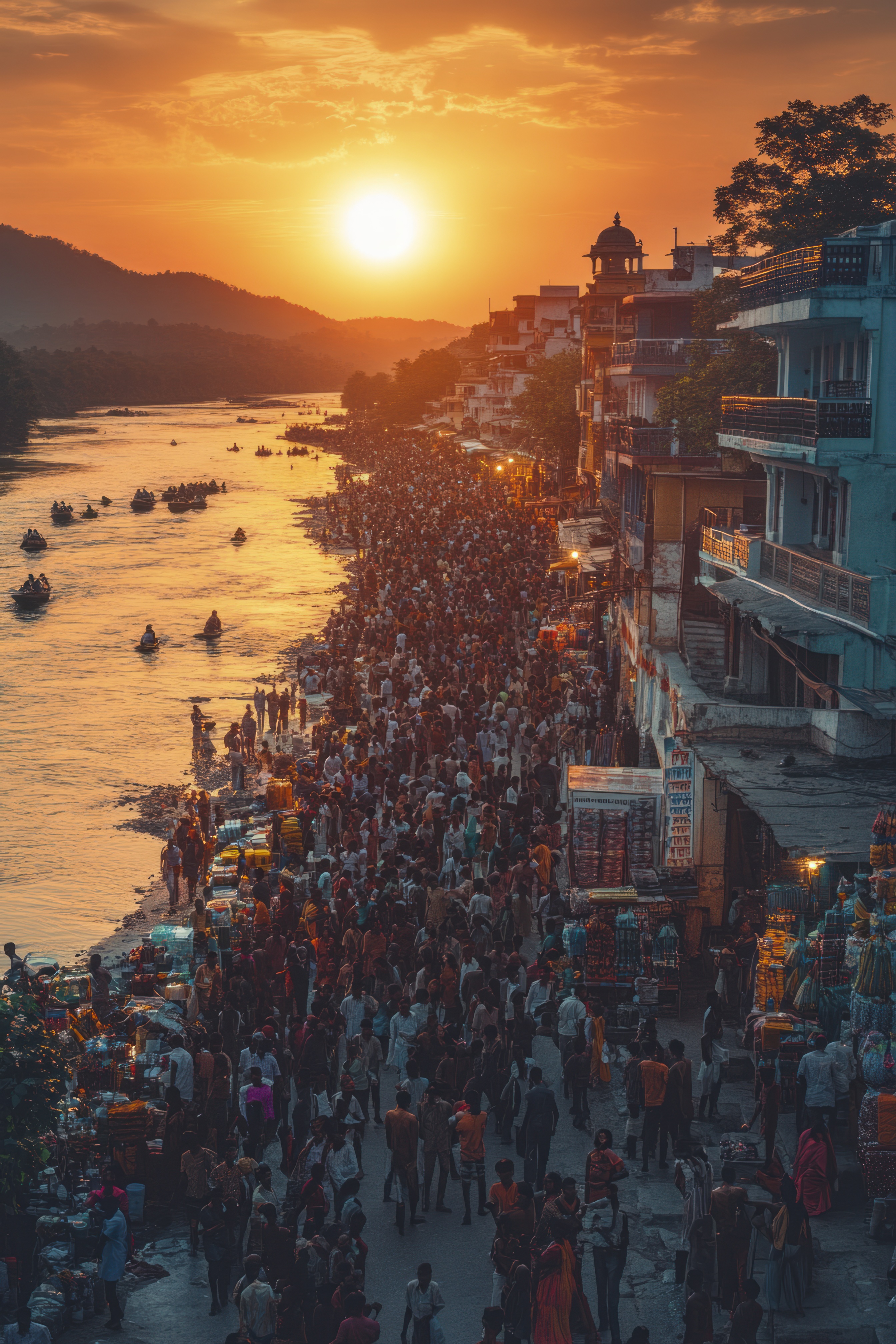
The Ganga remains central to its geography and imagination. The ghats form a remarkable urban landscape where religious practice, architecture, music, public life and collective memory come together. The city's temples and historic neighbourhoods reveal layers of patronage, craftsmanship and architectural influence.
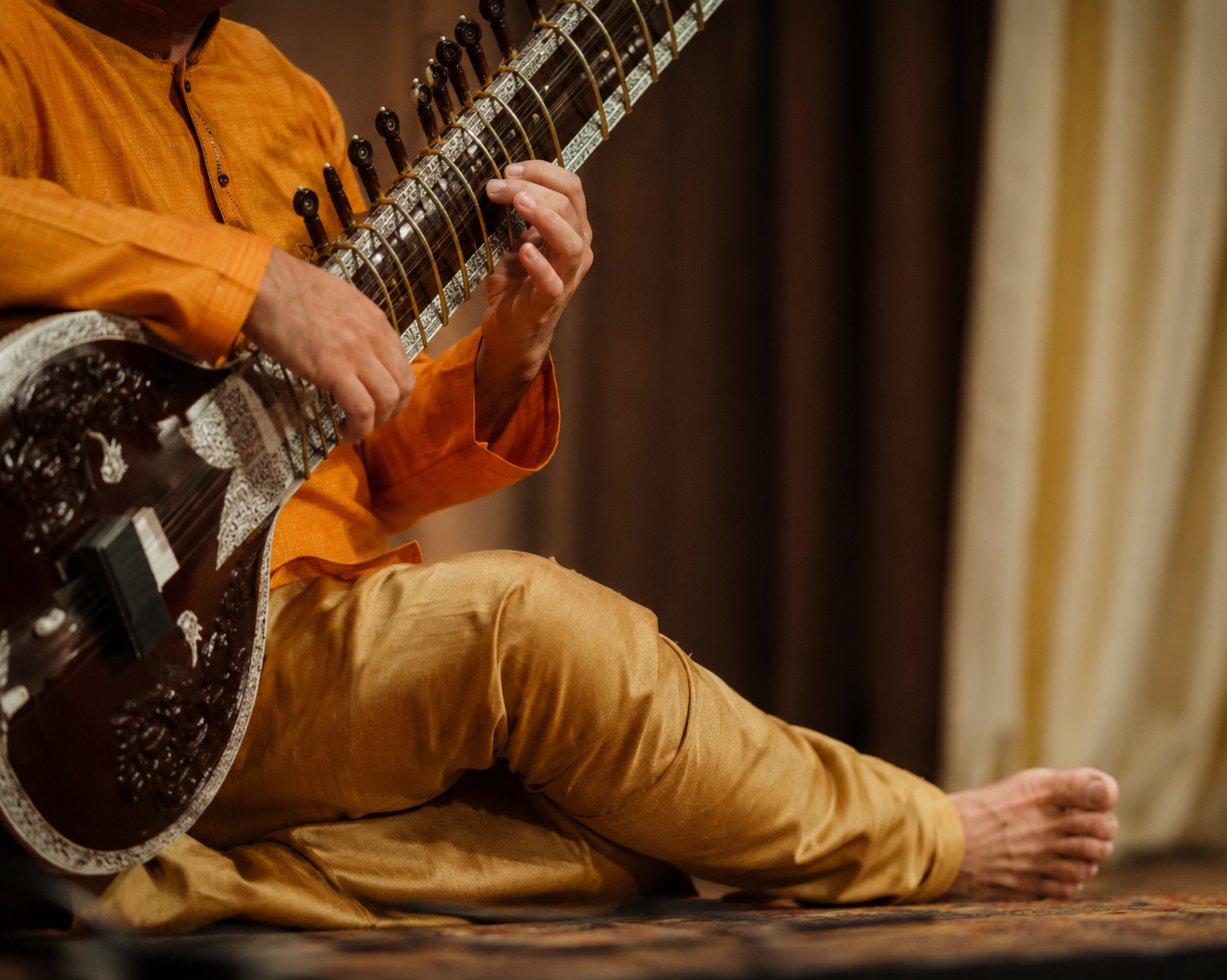
Beyond its sacred geography, Banaras has long been associated with knowledge and artistic excellence. Its contribution to classical music, particularly the Banaras gharana traditions, is significant. Its literary history, philosophical schools and performing arts reflect a culture that has continually engaged with questions of identity, devotion, aesthetics and human experience.
Its textile traditions, particularly the celebrated Banarasi weaving tradition, represent another dimension of this cultural legacy. The work of generations of artisans has shaped a distinctive language of material, pattern and technique, connecting the city to wider histories of trade, design and craftsmanship.
These traditions do not exist independently of one another. They form an interconnected cultural landscape in which knowledge, artistic practice and everyday life continually influence each other.
KASHI/LIGHT: Experiencing the city as a sensorium
The theme of CII Banaras Biennale 2026, KASHI/LIGHT – The City as Sensorium, offers a framework through which to explore these relationships.
To understand a city as a sensorium is to recognise that its identity is experienced through more than what can be seen. It is heard in its music and recitations, felt through its architecture and riverfront, encountered through the textures of its crafts and understood through the memories associated with its spaces.
In Banaras, the changing light over the Ganga, the movement of people through its narrow lanes, the sound of morning rituals and the presence of music in its cultural life contribute to an experience that is difficult to separate into individual parts.
The Biennale draws attention to these interconnected experiences, encouraging visitors to look beyond the visible landmarks and discover the cultural meanings that give the city its character.
A city-wide cultural experience
One of the defining aspects of the CII Banaras Biennale is its relationship with the city itself.
Rather than being confined to a single exhibition venue, the Biennale extends across a network of cultural and heritage spaces. Bharat Kala Bhavan, the Ahivasi Gallery, Omkarnath Thakur Auditorium, Jnana Pravaha, Nagari Pracharini Sabha and several locations along the riverfront and within the historic city become part of this larger cultural experience.
Each venue contributes a distinct perspective. Museums and galleries provide opportunities to engage with artistic collections and visual traditions. Historic buildings offer contexts for understanding the city's architectural and cultural memory. Public spaces create possibilities for performances, gatherings and shared experiences.
The programme also brings audiences into contact with different parts of Banaras, encouraging them to understand the city not simply as a destination but as an interconnected cultural landscape.
This approach makes the Biennale an invitation to explore, discover and engage.
Bringing artistic disciplines together
The Biennale's multidisciplinary programme reflects the breadth of Banaras's cultural identity.
Music and live performances bring the city's rich soundscape into focus, creating opportunities to encounter classical traditions alongside contemporary musical expressions. The participation of artists and performers from different backgrounds expands the conversation beyond established forms and introduces new interpretations of cultural practice.
Textiles and crafts offer another important dimension. Through curated presentations, demonstrations and encounters with practitioners, visitors can explore the knowledge embedded in materials, techniques and traditional forms of making.
Film creates a space for storytelling and visual interpretation, while conversations around literature, ideas and cultural history invite audiences to engage with the intellectual traditions associated with Banaras.
Workshops and masterclasses further extend this experience, offering opportunities to learn directly from practitioners and explore creative processes.
Together, these disciplines create a programme in which art is not treated as an isolated category but as an expression of the many ways in which people understand and interpret the world.
Ek Dhaaga, Ek Duniya: The power of participation
At the heart of the Biennale's participatory vision is Ek Dhaaga, Ek Duniya — One Thread, One World.
The initiative draws inspiration from the symbolic and material significance of thread, particularly within the cultural and textile traditions associated with Banaras.
A thread can connect materials, people, histories and ideas. It carries the knowledge of the person who creates it and the memory of the traditions through which it is passed. Through the act of bringing individual threads together, Ek Dhaaga, Ek Duniya creates a collective expression of participation and shared belonging.
The initiative invites people to become part of a larger cultural gesture, reinforcing the idea that a city's identity is not created by institutions or monuments alone. It is shaped by the contributions of individuals and communities, each bringing their own experiences and interpretations.
In this sense, participation becomes an essential part of the Biennale's cultural proposition.
Rediscovering heritage through contemporary engagement
The CII Banaras Biennale also presents an opportunity to reconsider how heritage is experienced today.
Preserving cultural traditions is not simply about maintaining objects, buildings or established practices. It also involves creating opportunities for knowledge to be shared, interpreted and carried forward.
By bringing artists, curators, craftspeople, cultural institutions and audiences together, the Biennale creates a platform for these exchanges.
It allows traditional practices to be understood in contemporary contexts and encourages younger audiences to engage with the cultural knowledge that surrounds them. It also offers visitors from outside Banaras an opportunity to encounter the city through perspectives that extend beyond conventional tourism.
The result is a more layered understanding of heritage — one that acknowledges the past while recognising its continuing relevance.
Banaras as an emerging cultural destination
The Biennale's significance extends beyond its programme. It contributes to a larger conversation about the role of cultural platforms in shaping the identity of cities.
Banaras already attracts visitors through its spiritual, historical and architectural significance. A multidisciplinary cultural platform adds another dimension to this experience, positioning the city as a destination for artistic discovery, creative exchange and cultural exploration.
For artists and practitioners, it creates opportunities to present their work and engage with new audiences. For local communities, it offers a platform to share their knowledge and cultural traditions. For visitors, it opens new ways of understanding a city that has inspired generations of thinkers, writers, musicians and artists.
Such initiatives can also strengthen the relationship between heritage institutions, creative practitioners and the wider cultural economy.
A continuing conversation
The CII Banaras Biennale 2026 is conceived as more than a calendar of exhibitions and performances. It is an invitation to experience a city through its many layers — its artistic traditions, its intellectual histories, its material culture and its everyday expressions.
From 27 November to 31 December 2026, Banaras becomes a meeting point for artistic practices, cultural perspectives and shared experiences.
The city's enduring character lies in its ability to hold different times and traditions together. It remains ancient without being static, familiar yet continually revealing new meanings.
Perhaps this is what makes Banaras such a compelling setting for a Biennale. It does not offer its meanings all at once. It allows them to unfold through encounters, observations and moments of discovery.
And in that unfolding, the city becomes more than a destination. It becomes an experience — one that continues long after the visit has ended.