Celebrating India's Living Heritage
JOURNAL
Objects, conversations and ways of making.
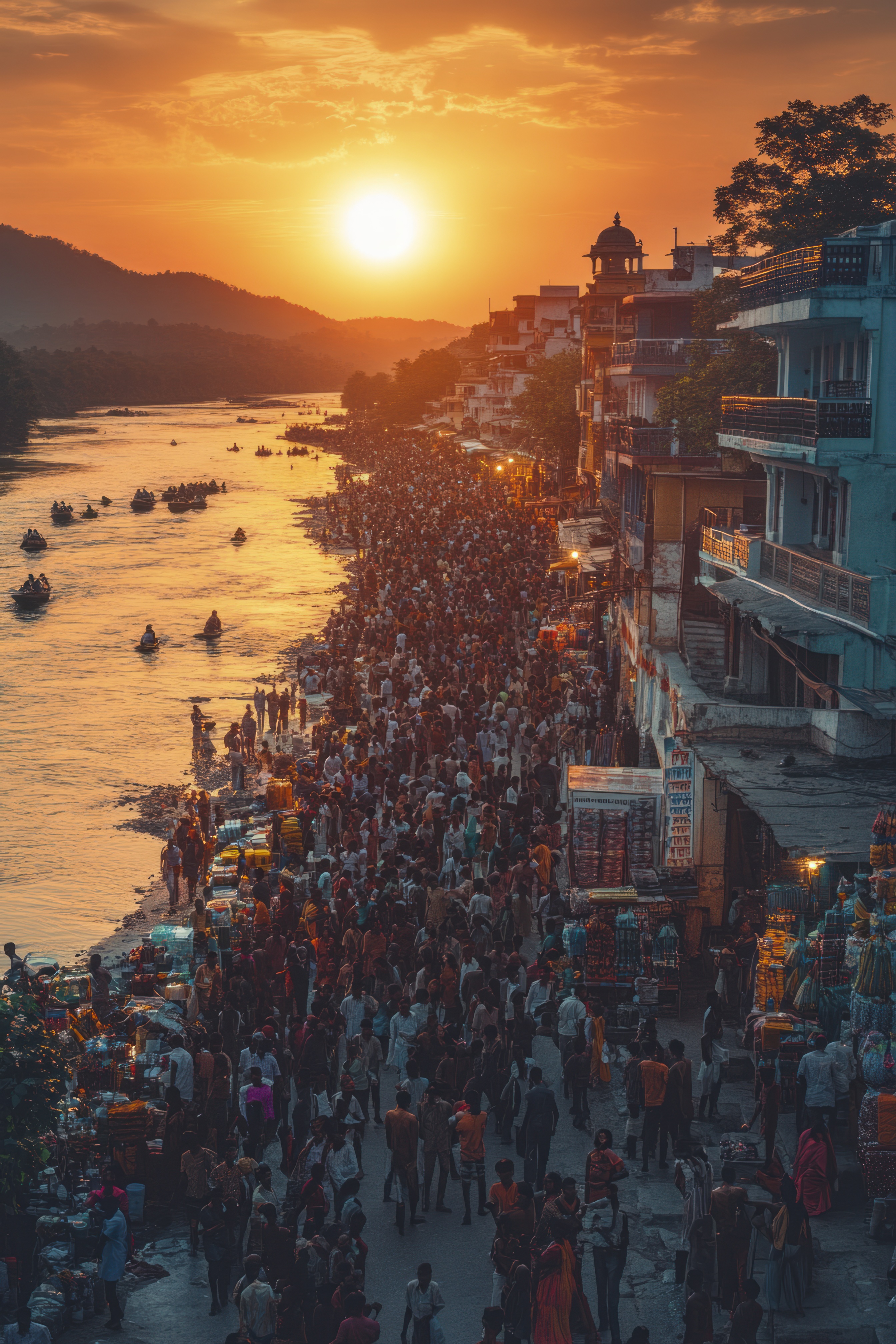
A closer look at Banaras, through the people who know it.
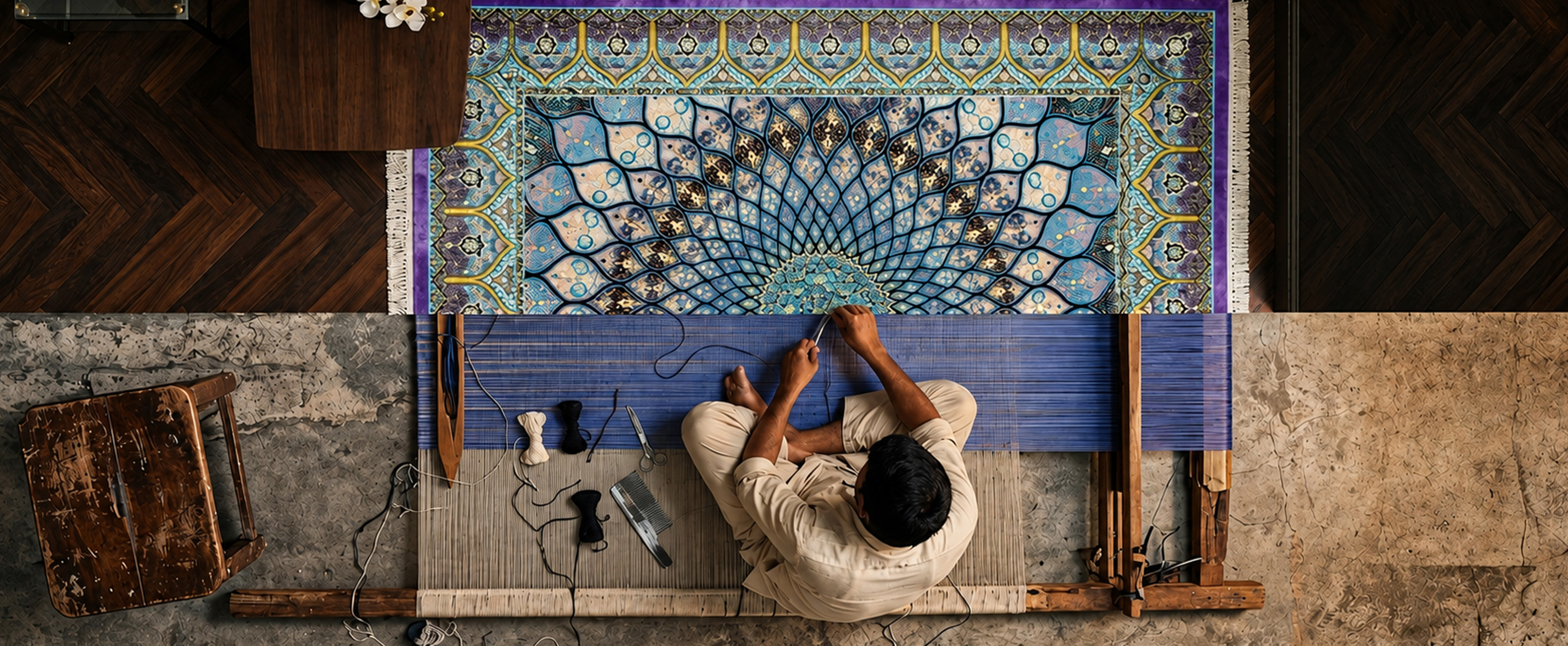
The pattern
before the cloth
Before a motif reaches the loom, it has already passed through another pair of hands. Meet the naqshaband.
Read the storyInside the Journal

Ek Dhaaga, Ek Duniya
Individual threads come together and discover their place in the digital tapestry of the city.
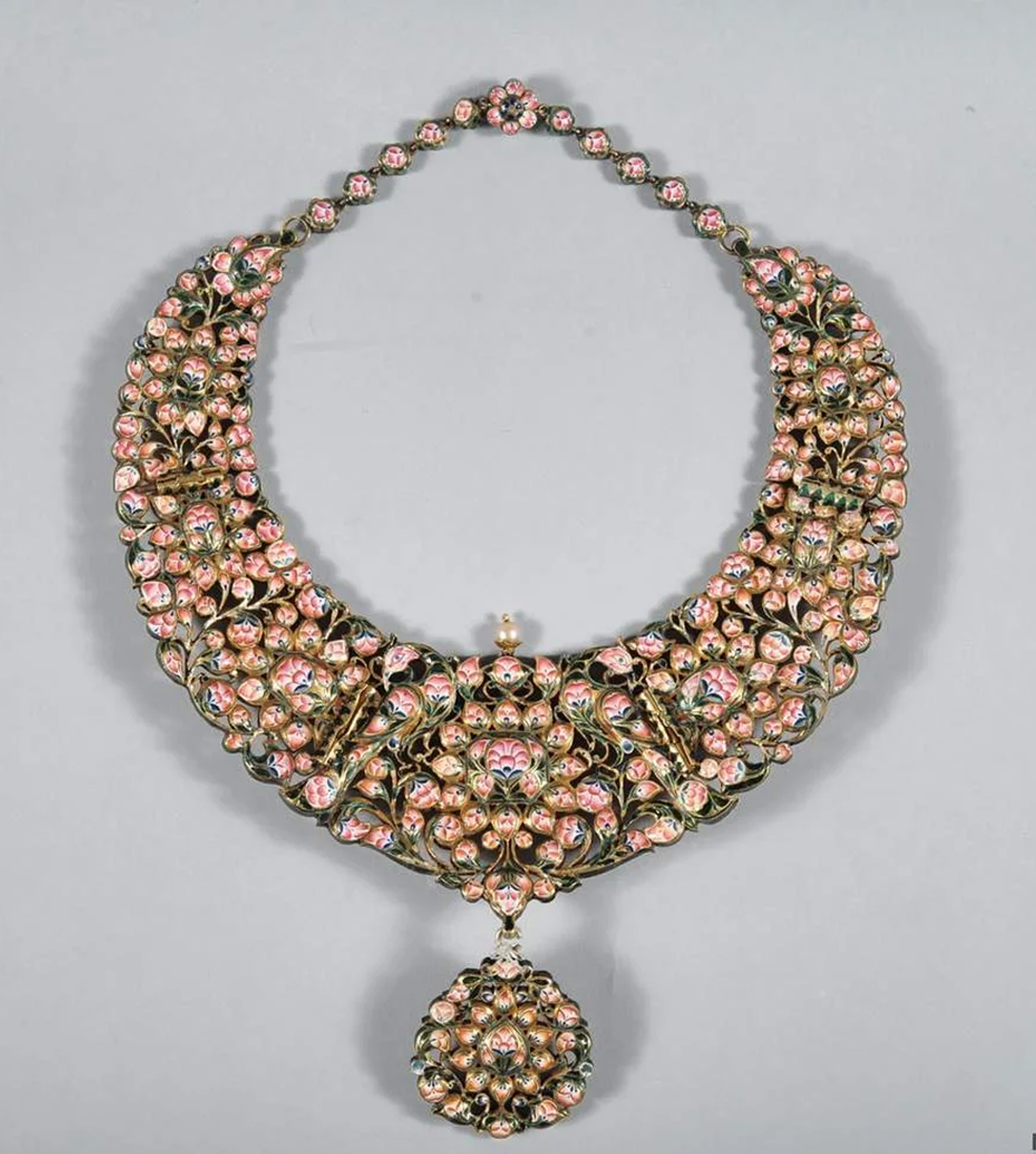
The Art of Adornment in Banaras
In Banaras, jewellery has long been more than ornamentation; it is a language of craftsmanship, heritage and royal splendour.
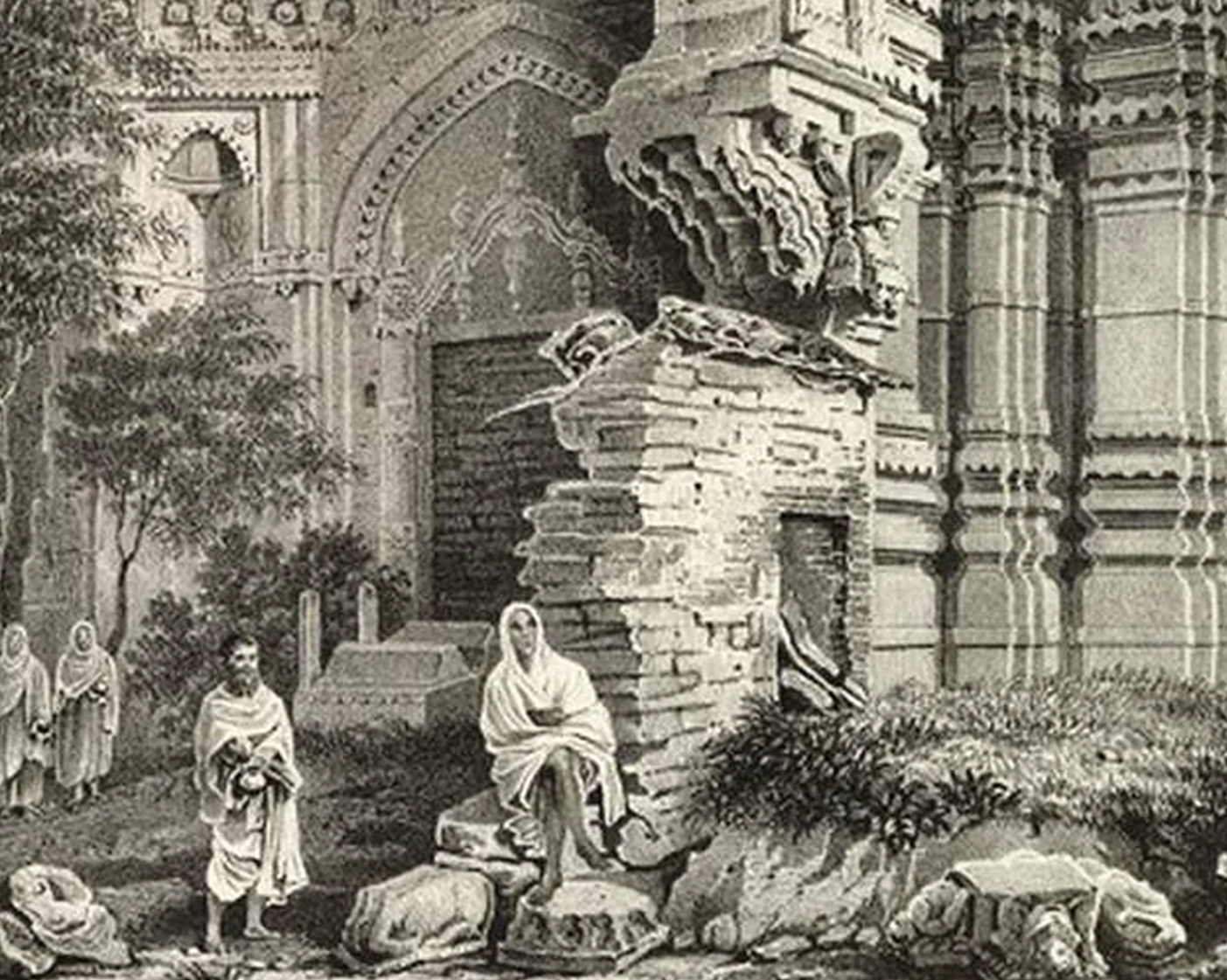
Benares Through Prinsep’s Eyes
In the early 19th century, James Prinsep turned his gaze towards Benares, documenting temples, ghats and everyday rituals.
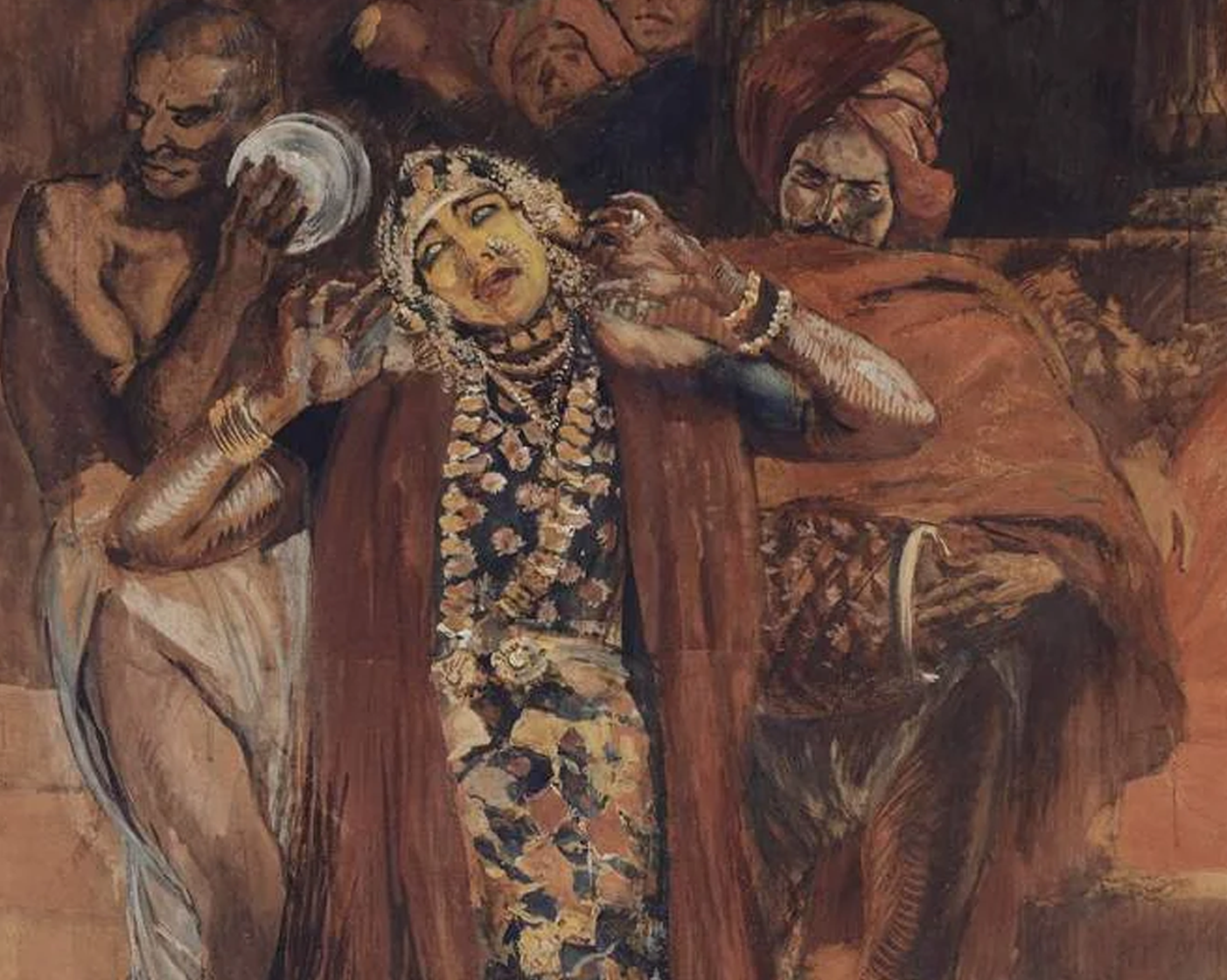
The Steps That Led to Benares
When French painter Albert Besnard travelled to India in 1910, he found in Benares a city that brought colour, tradition and spiritual truth into focus.
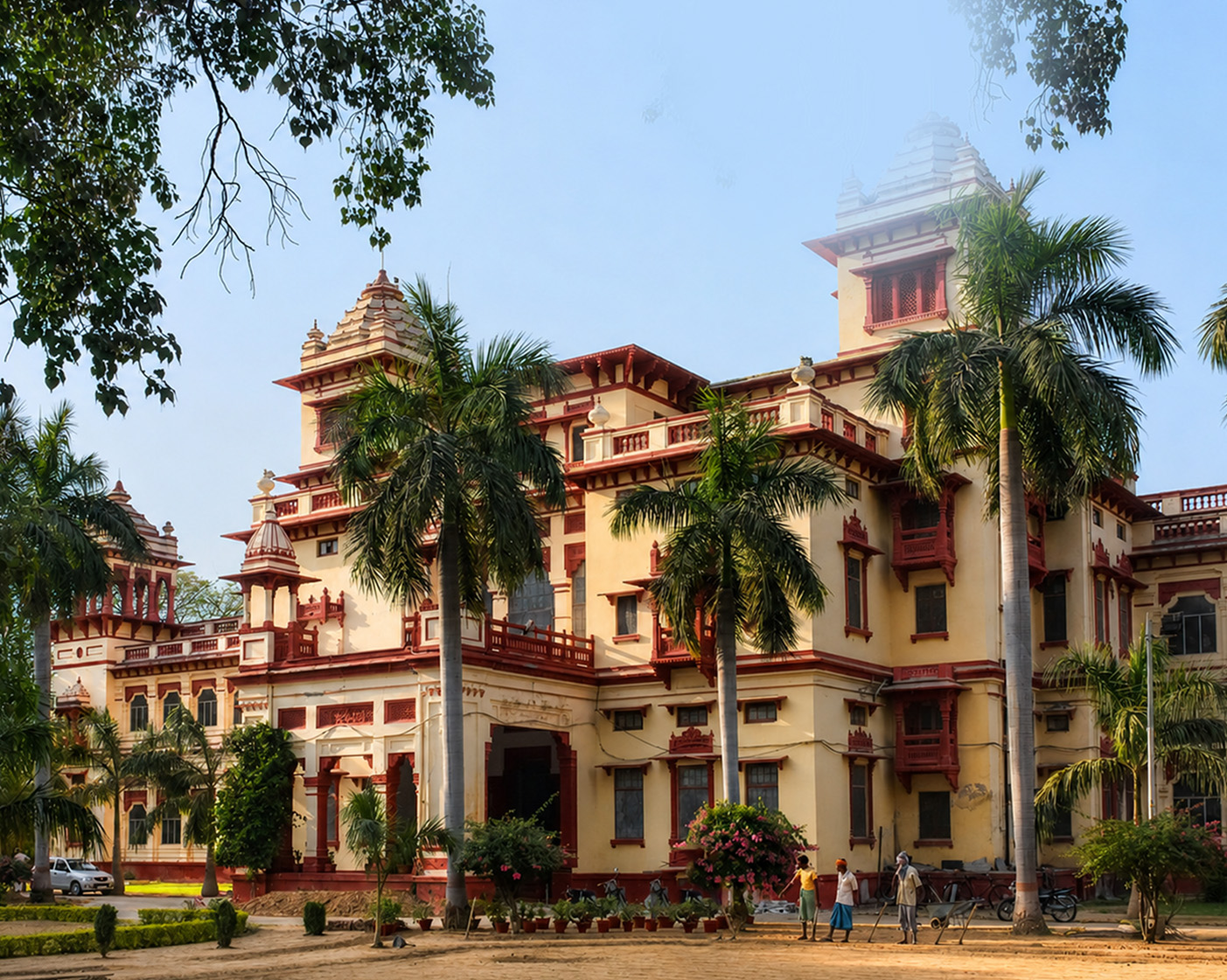
A museum begins with a vision
Rai Krishnadasa, the Tagores and the beginnings of Bharat Kala Bhavan.
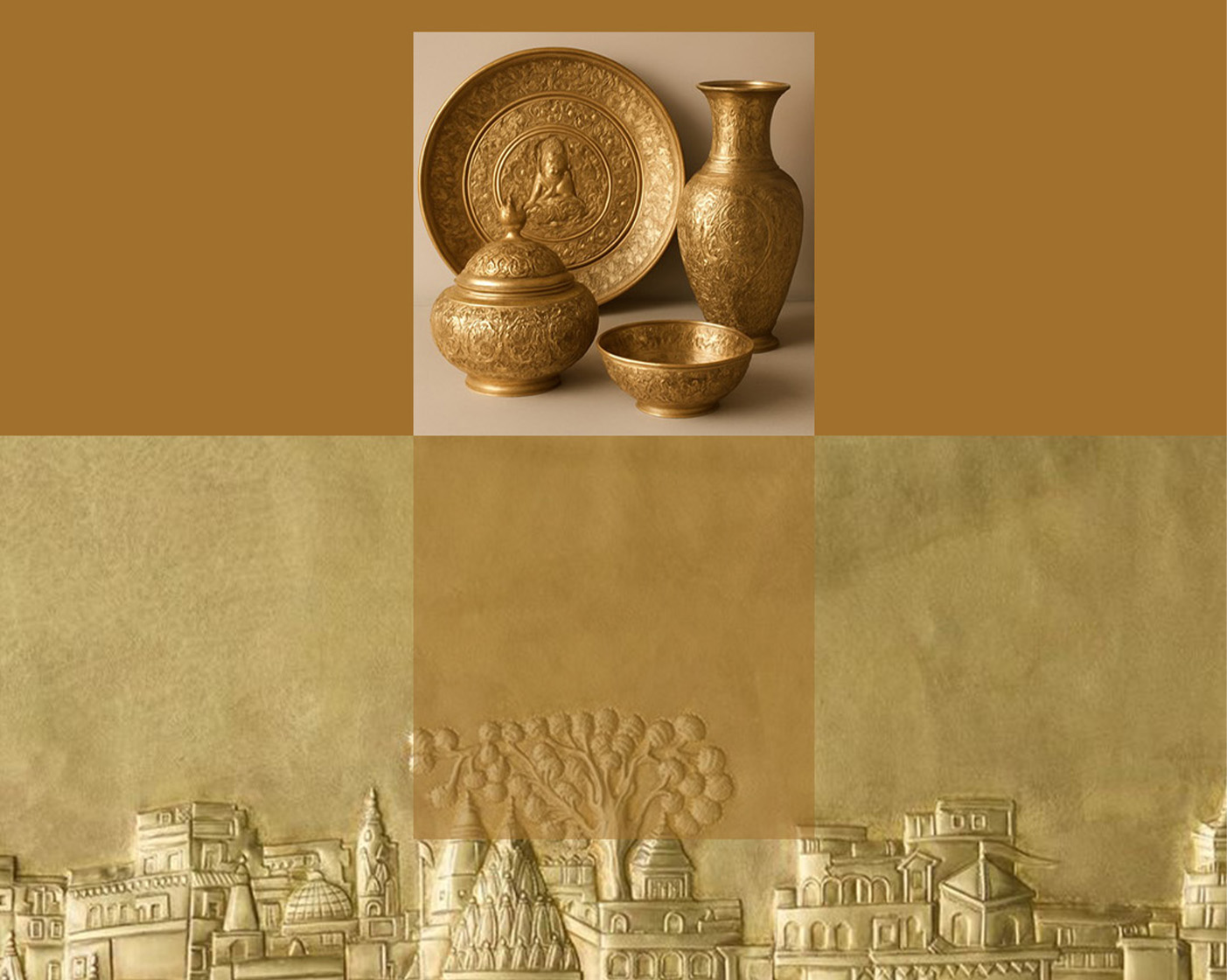
The patient surface
In Banaras metal repoussé, a surface takes shape through repeated acts of handwork.
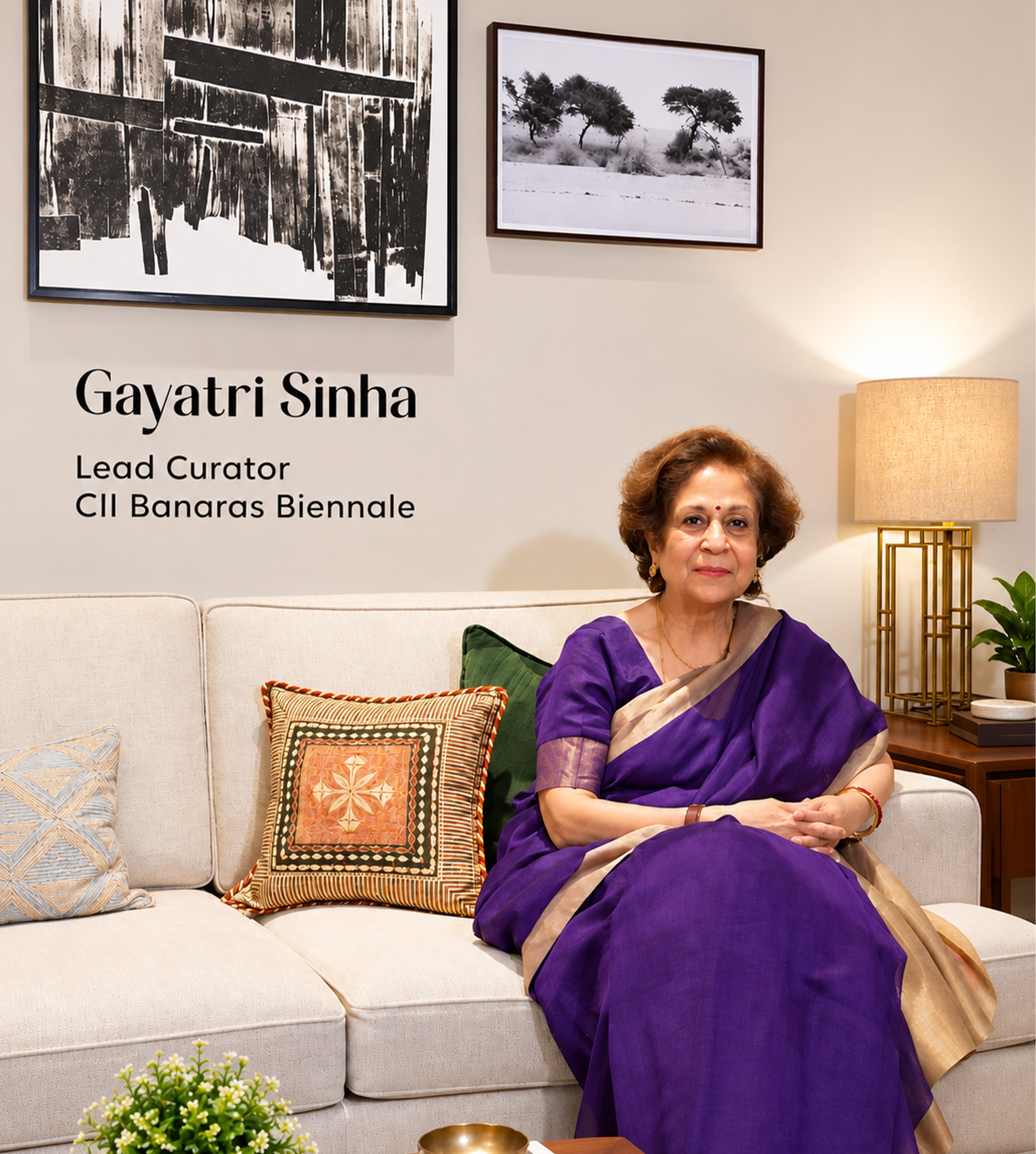
Beginning with Banaras
Gayatri Sinha on approaching a city through art, memory and the senses.
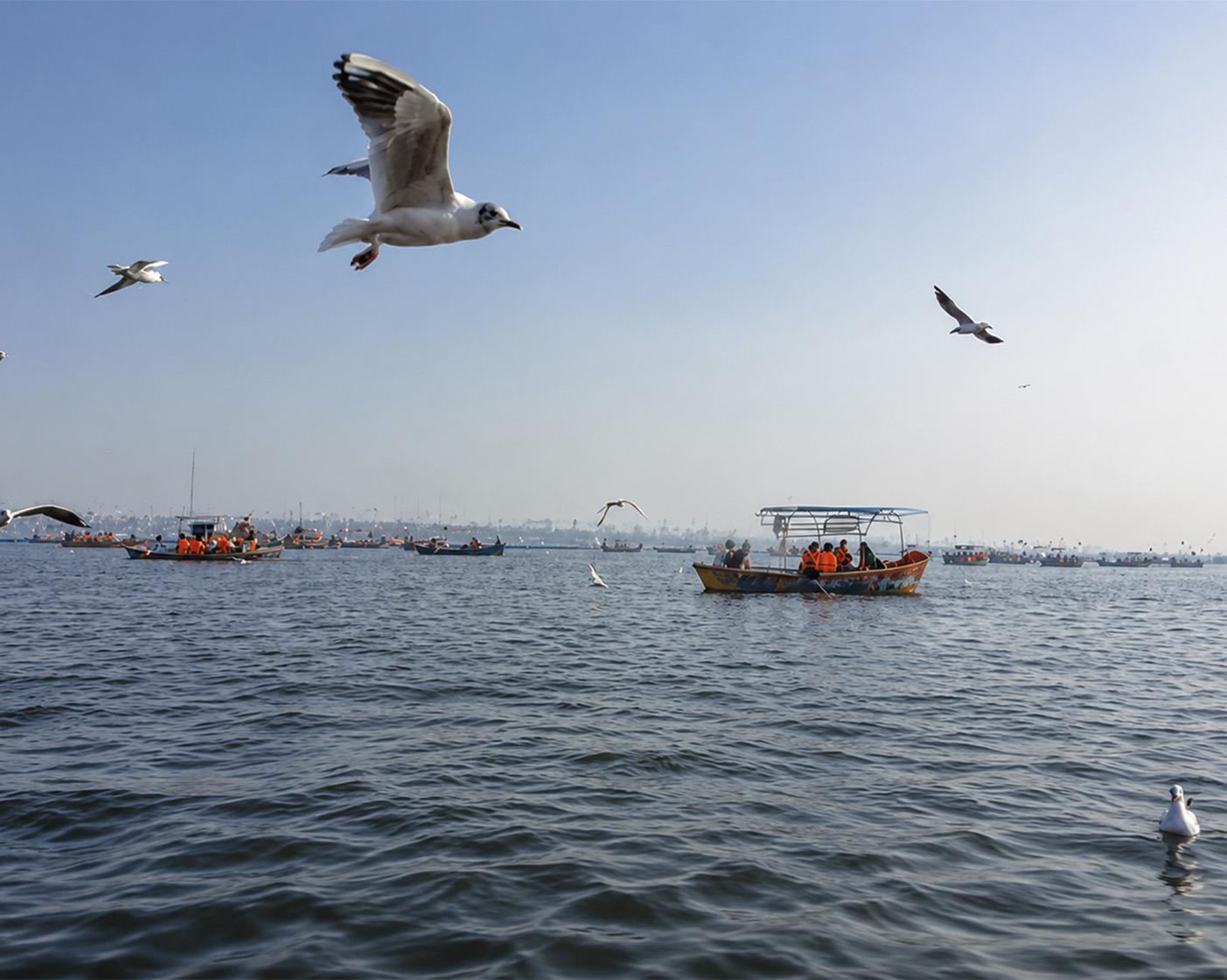
All You Need to Know About a Biennale
Large-Scale International Art and Culture Exhibition. What makes a biennale different from a festival?
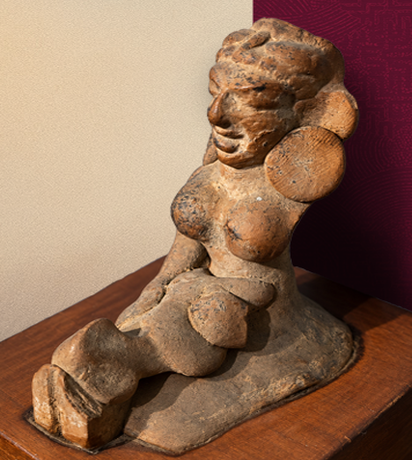
Lady Massaging the Baby
Gupta terracotta, c. 319–576 CE, Rajghat, Bharat Kala Bhavan collection.
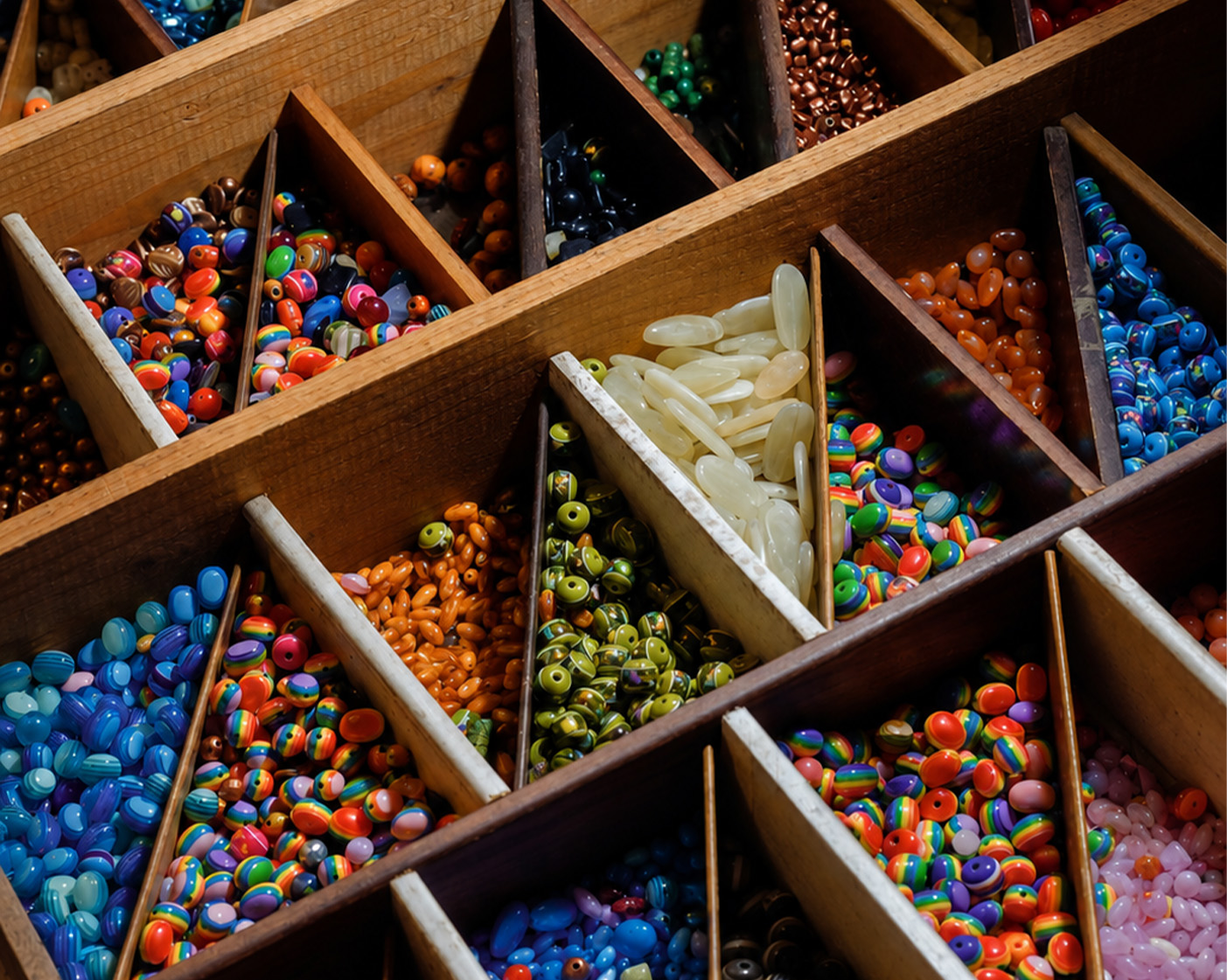
A small world in glass
A bead fits between two fingers. Its making belongs to a much larger story.
A city, many
ways of knowing.
The Journal brings together curators, artists, craft practitioners, musicians, scholars, students, conservators and writers. Alongside perspectives from Bharat Kala Bhavan, archives and the Biennale editorial team, their work opens different ways into Banaras.