Celebrating India's Living Heritage
BANARAS
A city continually remaking its inheritance
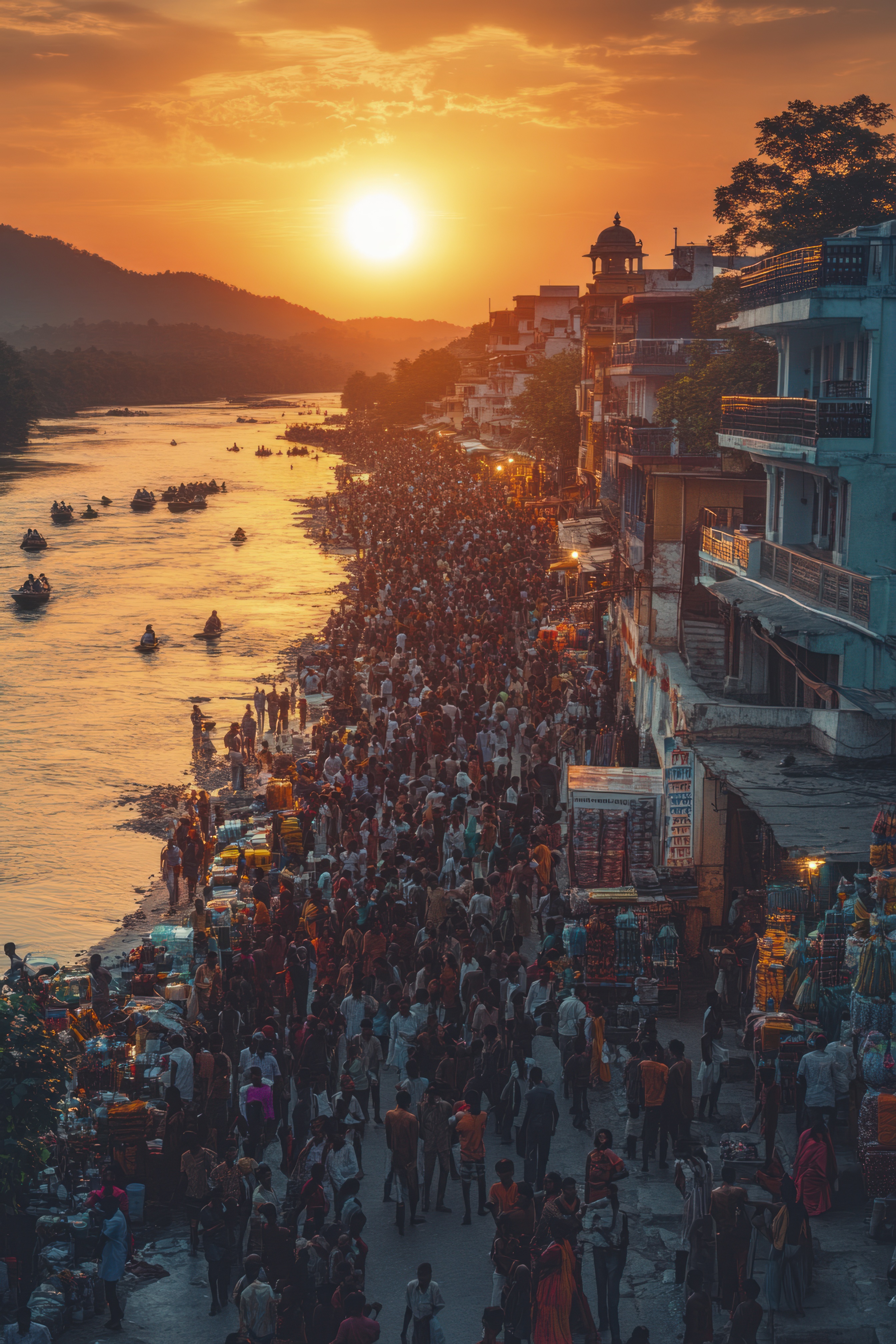
Banaras is often described through its antiquity. The Biennale begins somewhere else: with the question of how a city so deeply shaped by the past continues to produce culture in the present.
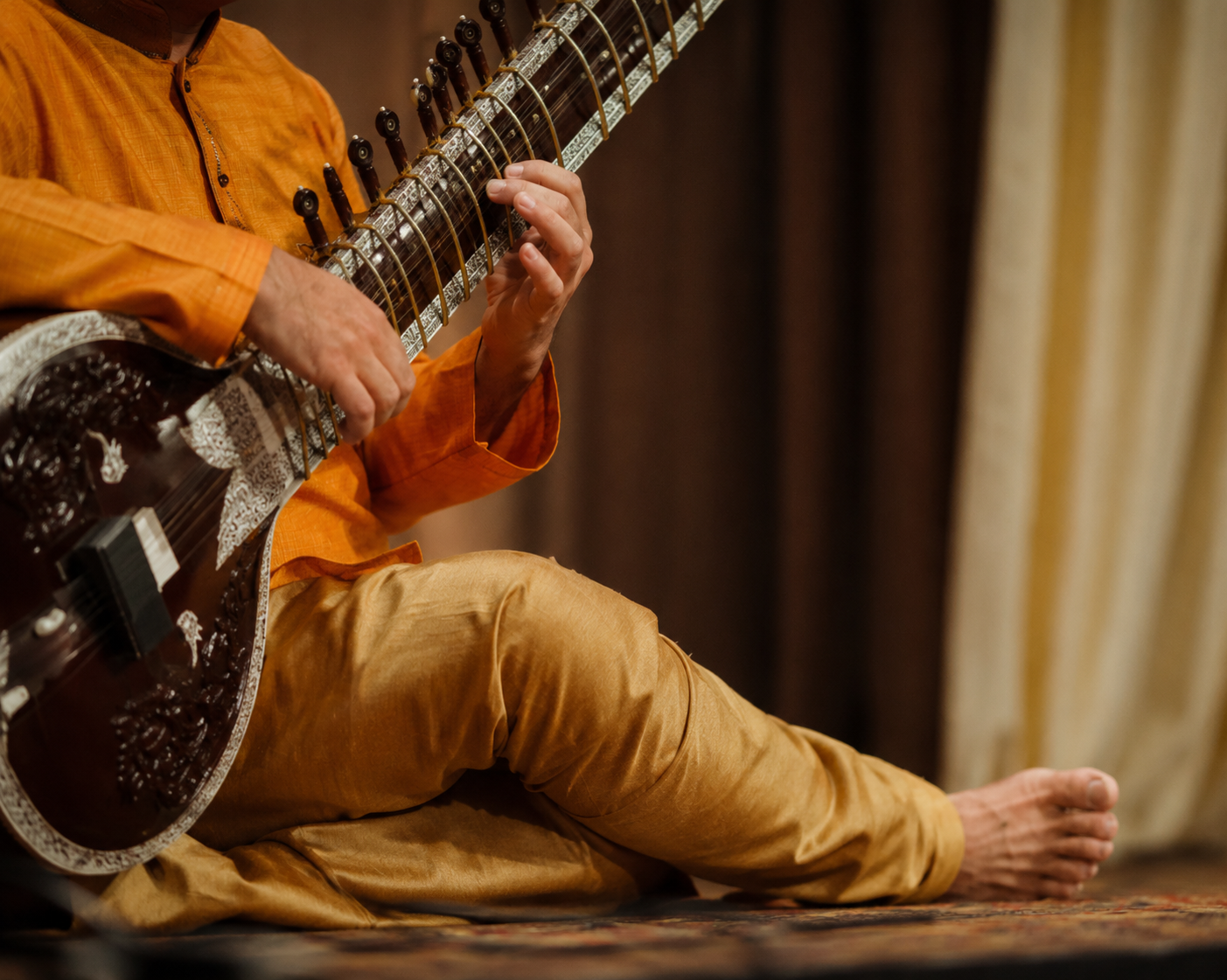
Here, knowledge has long moved between the formal and the everyday — through museums and archives, workshops and homes, music and oral traditions, scholarship and performance. Paintings, sculpture, textiles, craft, literature and music have developed not in isolation, but through centuries of patronage, exchange, migration and reinvention.
The Biennale approaches Banaras not as a preserved city, but as a living cultural field: one in which inherited practices are continually used, questioned, adapted and made new.
Living Practice
Knowledge moving continuously between workshops, studios, archives and everyday public life.
Centres of Learning
Centuries of scholarship, language, manuscript archives and rigorous intellectual debate.
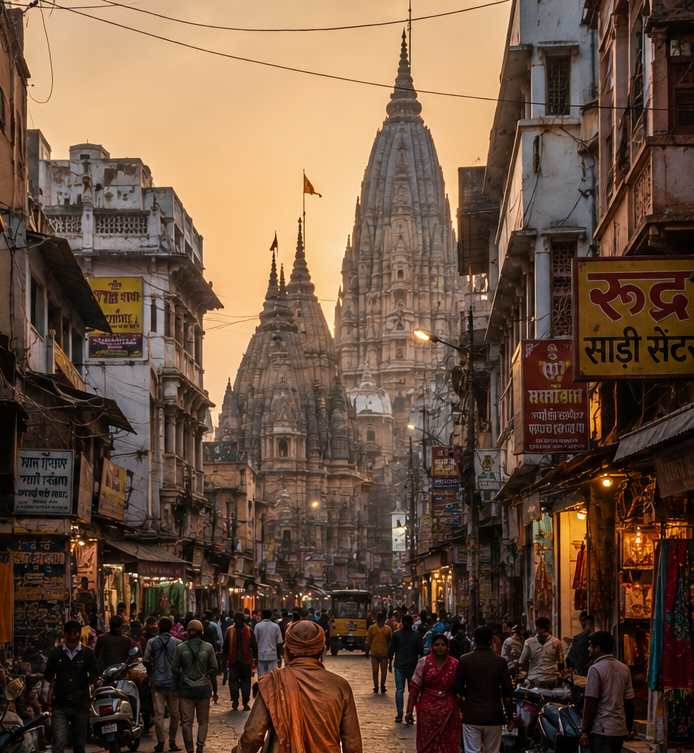
Material Histories
Mastery of weaving, metalcraft, painting and music refined through generations of creative discipline.
City as Sensorium
Approaching Banaras through what can be seen, heard, touched, remembered and reimagined.