
Biennale in India: Celebrating Art, Heritage and Cultural Diversity
India's cultural identity has never been shaped by a single tradition or artistic language. It is an extraordinary confluence of regional histories, languages, philosophies, craft practices, performance traditions and ways of life. From the intricate textile traditions of the east to the architectural legacies of the south, from classical music and folk performance to contemporary visual art, the country's cultural landscape is both deeply rooted and constantly evolving.
In this setting, the biennale offers an important platform for bringing India's diverse cultural expressions into a shared space. It creates opportunities to explore artistic traditions, engage with contemporary ideas and present the country's cultural richness through perspectives that extend beyond conventional exhibitions.
Over the years, India has witnessed the emergence of several important biennale platforms. Each has demonstrated how the format can be adapted to different cultural contexts, allowing cities and regions to develop distinctive identities while contributing to national and international conversations around art and heritage.
The emergence of the biennale movement in India
The biennale format in India has developed through a growing interest in creating large-scale platforms for artistic exchange.
The Kochi-Muziris Biennale, established in 2012, marked a significant moment in this journey. By bringing contemporary art into the historic and cultural landscape of Kochi, it created an international platform that connected artistic practices with the city's layered maritime history.
Its approach demonstrated that a biennale could be more than a conventional exhibition. Heritage buildings, warehouses and public spaces became sites of artistic engagement, while conversations, performances and educational initiatives expanded the experience beyond the display of artworks.
Other cultural initiatives across the country have continued to explore the relationship between artistic expression, regional identity and public participation. Together, these platforms have contributed to a broader understanding of how biennales can operate within India's complex cultural landscape.
India's heritage as a source of contemporary expression
India's artistic traditions offer an extraordinary foundation for contemporary cultural engagement.
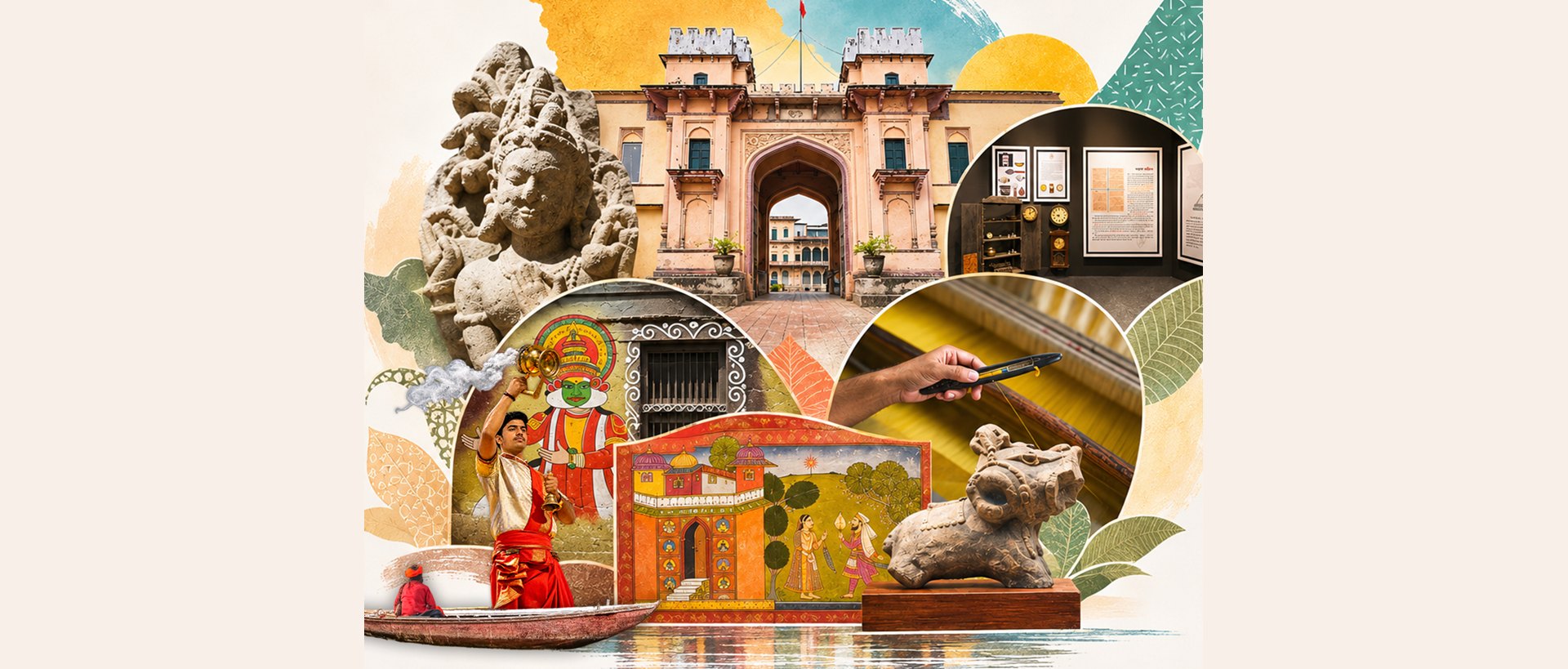
Textiles, for example, carry histories of trade, migration, patronage and regional identity. Techniques such as weaving, embroidery, dyeing and printing are not simply methods of production; they represent knowledge systems developed and refined across generations.
Similarly, traditional painting practices, sculpture, metalwork, pottery and woodcraft reflect the relationship between material, community and place. Many of these practices continue to evolve as artisans respond to changing markets, materials, technologies and contemporary design sensibilities.
A biennale provides an opportunity to bring these traditions into conversation with contemporary artistic practices.
Rather than presenting heritage as something frozen in time, it can reveal how traditional knowledge continues to influence new forms of creative expression. It can also create opportunities for craftspeople and practitioners to be recognised not merely as custodians of tradition but as creative thinkers and contributors to India's cultural future.
Beyond visual art: A multidisciplinary cultural experience
The strength of India's cultural landscape lies in the relationships between its many artistic disciplines.
Music, dance, theatre, literature, cinema, architecture and crafts have developed through centuries of exchange and influence. They often share histories, narratives and cultural references, even when expressed through different forms.
A biennale can bring these disciplines together in ways that allow audiences to experience culture as an interconnected whole.
A musical performance can reveal the distinctive character of a region. A literary discussion can explore the relationship between language and collective memory. A film screening can offer a contemporary interpretation of social and historical experiences. A craft demonstration can make visible the knowledge and skill behind an object.
This multidisciplinary approach expands the idea of an exhibition into something more immersive. It allows audiences to encounter culture through sight, sound, movement, conversation and participation.
Heritage spaces as living cultural venues
India's historic cities offer a particularly meaningful setting for biennale-led cultural experiences.
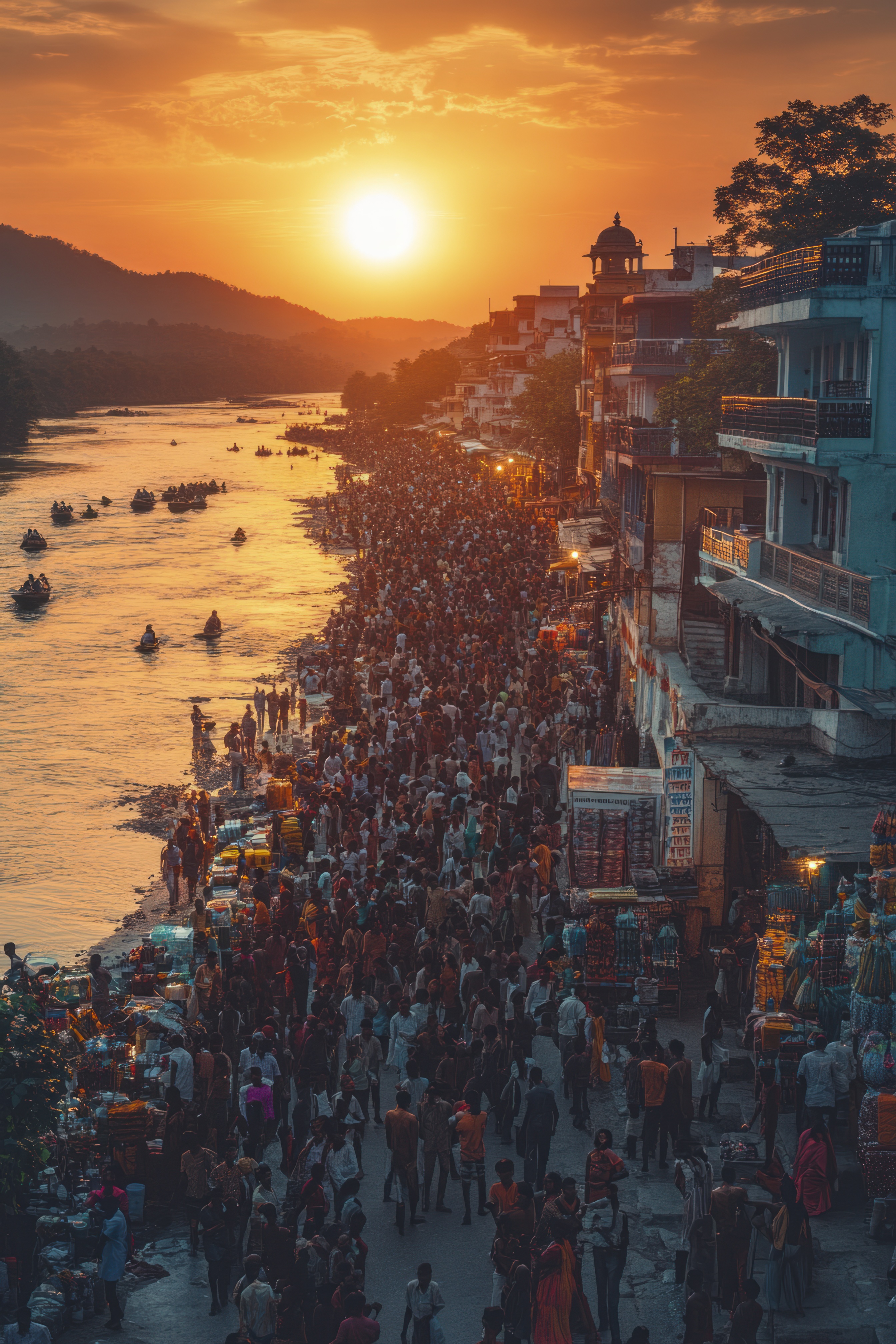
Museums, havelis, public institutions, heritage buildings, ghats and historic neighbourhoods carry their own stories. When they become part of a cultural programme, the relationship between the venue and the artistic experience adds another layer of meaning.
The architecture of a historic building, the memories associated with a public space or the social history of a neighbourhood can inform how visitors engage with an exhibition or performance.
Such programming also encourages audiences to look at familiar spaces differently. A place previously understood through its historical or religious significance may reveal new dimensions through an artistic intervention, a curated walk or a conversation.
The result is a cultural experience that connects the built environment with the living traditions of the communities around it.
Creating opportunities for artists and practitioners
Biennales can play an important role in strengthening India's creative ecosystem.
They bring together artists, curators, designers, musicians, filmmakers, writers, craftspeople, researchers and cultural institutions. This creates opportunities for collaboration, knowledge exchange and professional visibility.
For emerging practitioners, participation can provide access to new audiences and networks. For established artists, it can create opportunities to explore ideas in unfamiliar contexts. For traditional practitioners, it can offer a platform to share specialised knowledge and engage with contemporary interpretations of their work.
Equally important is the relationship with local communities. Their participation ensures that cultural programming remains connected to the social and artistic life of the region rather than becoming an isolated event.
The role of cities in India's cultural future
The emergence of biennales also raises an important question: how can cities become more active participants in the cultural life of the country?
India's cities are not simply administrative or economic centres. They are repositories of memory, exchange and creative activity. Each carries a distinct cultural identity shaped by its geography, architecture, communities and histories.
A biennale can help bring these dimensions into focus. It can encourage cultural tourism, draw attention to lesser-known heritage spaces, support local creative economies and introduce visitors to artistic traditions beyond the familiar cultural circuit.
It can also strengthen the relationship between cultural institutions and the wider public, creating opportunities for sustained engagement rather than one-time attendance.
For this to happen, however, a biennale must be rooted in its host city's identity. Its success should be measured not only through attendance or international participation but also through the conversations, collaborations and cultural relationships it leaves behind.
Towards a more inclusive cultural dialogue
India's cultural diversity is one of its greatest strengths, but representing that diversity requires thoughtful curation.
A meaningful cultural platform must make space for different regions, languages, generations and artistic practices. It must acknowledge the contributions of traditional practitioners alongside contemporary artists, and create opportunities for audiences with different levels of familiarity with the arts to participate.
This is where the biennale format holds particular promise. It allows multiple narratives to coexist without insisting on a singular interpretation of Indian culture.
It also enables Indian artistic practices to enter global conversations on their own terms, presenting the country's cultural knowledge not merely as heritage to be preserved but as a continuing source of ideas and innovation.
Looking ahead
The future of biennales in India lies in their ability to create lasting cultural connections.
As more cities explore their potential as cultural destinations, biennales can contribute to a wider ecosystem of artistic collaboration, heritage interpretation, creative education and public engagement.
They can connect local traditions with international perspectives, bring historical spaces into contemporary cultural life and create platforms where artists and audiences encounter one another in meaningful ways.
India's cultural story has always been one of continuity and change. Its traditions have survived not because they have remained untouched, but because generations have continued to reinterpret, practise and transmit them.
A biennale, at its best, becomes part of that ongoing story — a space where the many expressions of India's cultural identity can be encountered, questioned, celebrated and carried forward.